
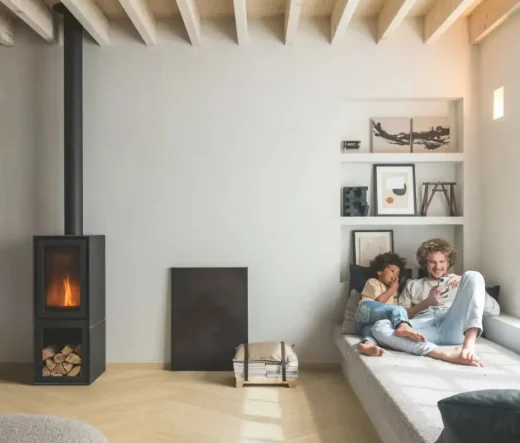
Parquet flooring is as much a decorative choice as it is an architectural feature. Unlike straight‑lay planks, which sit quietly in the background, parquet flooring becomes part of the structure of a room. Its geometric patterns, directional flow and visual rhythm influence how a space feels, how it functions and how it is perceived. This is why parquet flooring has been used for centuries in grand buildings, stately homes and design‑led interiors: it elevates a room from the ground up.
Today, parquet flooring is experiencing a major revival in UK homes, not just because it looks beautiful, but because it adds architectural value in ways few other flooring types can. In this article, we at Floor Land explore how parquet flooring enhances the architecture of a space, how it interacts with light and layout, and why it remains one of the most impactful design choices a homeowner can make.
Parquet as Architectural Geometry
Architecture is built on geometry; proportions, lines, angles and symmetry. Parquet flooring introduces geometry directly into the floor, creating a visual structure that shapes the entire room.
Parquet patterns add architectural value by:
- Creating rhythm and movement
- Guiding the eye through the space
- Adding depth and dimension
- Enhancing the proportions of a room
- Introducing a sense of craftsmanship
This geometric influence is subtle yet powerful. Even in a minimalist room, parquet adds a layer of architectural interest that transforms the space.
Defining Space in Open‑Plan Homes
Modern homes increasingly favour open‑plan layouts, where walls are removed to create larger, more flexible living areas. While this openness is desirable, it can sometimes leave spaces feeling undefined or lacking structure.
Parquet flooring solves this problem beautifully.
How parquet defines open‑plan spaces:
- Directional patterns (like chevron) guide movement from one zone to another
- Herringbone creates a sense of flow across large areas
- Pattern orientation can subtly separate dining, living and kitchen zones
- Light‑reflecting angles add depth to wide, open rooms
Instead of using rugs, furniture or partitions, parquet uses geometry to create natural boundaries — a technique interior designers rely on heavily.
Enhancing Room Proportions
One of the most overlooked benefits of parquet flooring is its ability to change how a room feels proportionally. The pattern you choose and the direction you lay it can make a room feel wider, longer or more balanced.
Herringbone enhances proportions by:
- Softening long, narrow rooms
- Adding width to tight spaces
- Creating a sense of movement that distracts from awkward layouts
Chevron enhances proportions by:
- Drawing the eye forward
- Making rooms feel longer
- Adding symmetry to square rooms
Basketweave enhances proportions by:
- Creating balance in small or boxy rooms
- Adding structure without overwhelming the space
Parquet is one of the few flooring types that can actively reshape the perception of a room’s architecture.
Adding Depth Through Light and Shadow
Parquet flooring interacts with light in a way that straight‑lay planks cannot. Because the blocks are angled, light hits them differently, creating subtle variations in tone and shadow.
This creates:
- Depth
- Texture
- Warmth
- Visual movement
In bright rooms, parquet feels lively and dynamic. In darker rooms, it adds richness and intimacy. This interplay of light and geometry gives parquet a sculptural quality — almost like architectural detailing built into the floor.
A Sense of Craftsmanship and Permanence
Architectural value isn’t just about how a space looks; it’s about how it feels. Parquet flooring brings a sense of craftsmanship and permanence that elevates the entire home.
Parquet communicates:
- Quality
- Longevity
- Attention to detail
- Architectural integrity
Even in modern new‑build homes, parquet adds a sense of heritage and craftsmanship that makes the space feel more established and thoughtfully designed.
Complementing Architectural Features
Parquet flooring works harmoniously with architectural elements such as:
- Fireplaces
- Archways
- Bay windows
- Staircases
- High ceilings
- Period mouldings
The geometric pattern enhances these features by drawing the eye toward them and grounding the room with a strong visual foundation.
For example:
- Herringbone can lead the eye toward a fireplace
- Chevron can emphasise the height of a room
- Versailles panels can echo the symmetry of period architecture
Parquet can easily enhance the architecture itself.
Increasing Property Value Through Design Impact
Parquet flooring is widely recognised as a premium feature. Estate agents often highlight parquet in property listings because it signals quality, style and craftsmanship.
Parquet increases property value by:
- Enhancing visual appeal
- Creating a sense of luxury
- Offering long‑lasting durability
- Appealing to design‑conscious buyers
- Standing out from standard plank flooring
Homes with parquet flooring often feel more “finished,” more intentional and more architecturally cohesive; all factors that influence buyer perception.
Why Parquet Flooring Is an Architectural Investment
Parquet flooring is not just a design trend. It shapes the space, enhances proportions, interacts with light and adds a level of craftsmanship that elevates the entire home.
At Floor Land, our parquet collections combine traditional patterns with modern engineered construction, giving homeowners the perfect blend of beauty, stability and architectural impact.
Parquet flooring doesn’t just sit on the floor — it becomes part of the architecture itself.
Authored by Lee McCarthy.
Floor Land
Cockhedge Shopping Centre
Warrington
Cheshire
United Kingdom
WA1 2QQ
