
Introduction
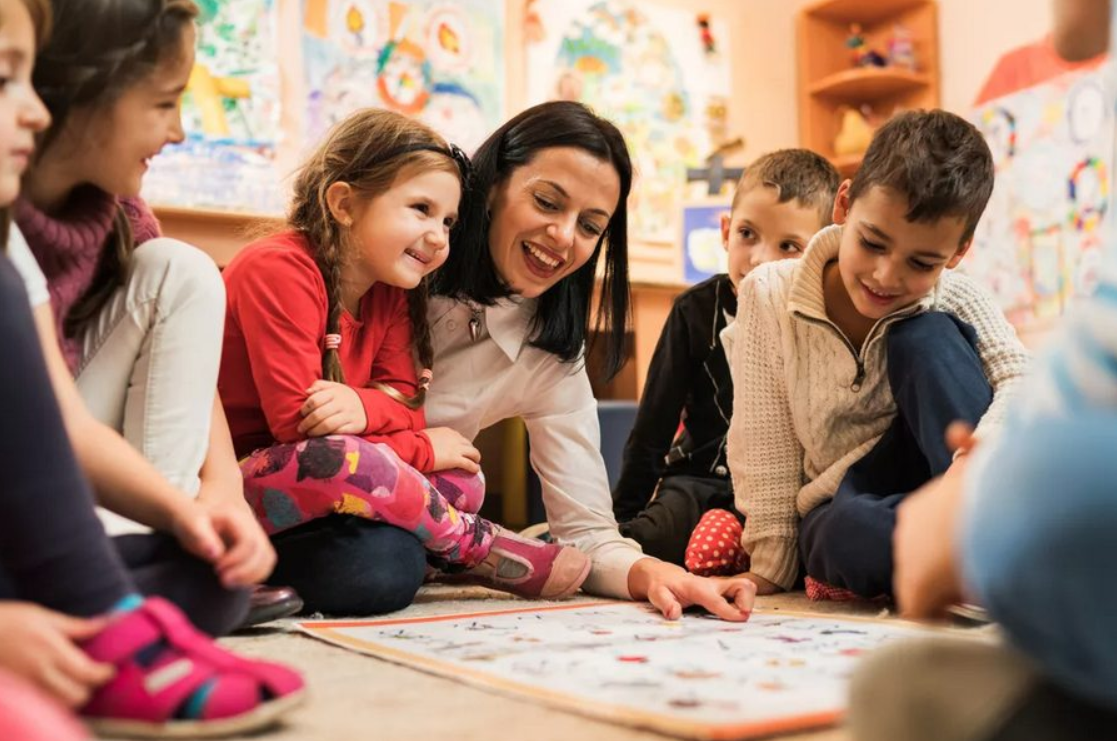
Daycare programmes play an important role in supporting children’s early development by providing structured activities that encourage learning through play, exploration, and social interaction. Young children learn best when they are actively engaged in enjoyable experiences that stimulate their curiosity and creativity. High-quality child daycare services combine educational activities with opportunities for physical movement, communication, problem-solving and emotional development. Through carefully planned programmes, children can develop essential skills that prepare them for future success in school and everyday life while building confidence and independence.
Creative Arts and Craft Activities
Arts and crafts are valuable learning activities in daycare programmes because they encourage creativity, imagination, and self-expression. Children often participate in painting, drawing, colouring, cutting, and crafting projects that allow them to explore different materials and techniques.
These activities also help develop fine motor skills by strengthening hand and finger movements. As children learn to use scissors, crayons, brushes, and glue, they improve coordination and control. Creative projects encourage independent thinking while allowing children to express their ideas visually.
Storytelling and Reading Sessions
Reading activities are a fundamental part of early childhood learning because they help children develop language and communication skills. Daycare educators often read stories aloud to introduce new vocabulary, improve listening abilities, and encourage a love of books.
Storytelling also supports imagination and comprehension by exposing children to different characters, situations, and ideas. Interactive reading sessions often include discussions, questions, and participation that help children engage more deeply with the material. Regular exposure to books lays the foundation for future literacy development.
Music and Singing Activities
Music is a highly effective learning tool in daycare settings because it combines entertainment with educational benefits. Singing songs, listening to music, and participating in rhythm activities help children improve memory, language development, and listening skills.
Music activities also support emotional expression and social interaction. Group singing encourages cooperation and confidence while helping children learn patterns, sounds, and sequences. Musical experiences create enjoyable learning opportunities that engage multiple areas of development simultaneously.
Physical Play and Movement Exercises
Physical activity is essential for healthy childhood development and is a key component of most daycare programmes. Running, jumping, climbing, dancing, and organised games help children develop strength, balance, coordination, and overall fitness.
Movement-based activities also improve concentration and support emotional wellbeing. Active play allows children to release energy while learning important physical skills. Outdoor play areas and structured exercise sessions provide opportunities for both fun and learning through movement.
Building and Construction Games
Construction activities using blocks, building sets, and other materials help children develop problem-solving and critical-thinking skills. As children design structures and experiment with different arrangements, they learn about balance, shapes, sizes, and spatial awareness.
Building games encourage creativity and persistence because children often need to adjust their designs when challenges arise. These activities also support teamwork when children collaborate on projects together. Construction play combines learning with hands-on exploration.
Social and Group Learning Activities
Daycare programmes place significant emphasis on social development through group activities and cooperative play. Children learn important social skills such as sharing, taking turns, listening, and working together with others.
Group activities help children build friendships and understand social expectations within a supportive environment. Learning how to communicate effectively and resolve minor conflicts prepares children for future educational settings. Social experiences are essential for emotional and interpersonal growth.
Sensory Play Experiences
Sensory play allows children to explore the world using touch, sight, sound, smell, and sometimes taste. Activities involving sand, water, textured materials, and sensory bins help children investigate different sensations while developing curiosity and observation skills.
Sensory experiences support cognitive development by encouraging children to make connections between actions and outcomes. They also help improve concentration and problem-solving abilities. Many daycare programmes use sensory play as a fun and engaging learning method.
Early Mathematics and Number Activities
Introducing basic mathematical concepts during early childhood helps children develop confidence with numbers and logical thinking. Daycare programmes often include counting games, shape recognition, sorting activities, and simple measurement exercises.
These activities encourage children to identify patterns, compare quantities, and understand basic mathematical relationships. Learning through games and interactive tasks makes mathematics enjoyable and accessible. Early exposure to number concepts supports future academic success.
Role-Playing and Imaginative Play
Pretend play is an important educational activity because it allows children to explore real-world situations through imagination. Daycare settings often provide role-play areas where children can act as shopkeepers, doctors, teachers, chefs, or community helpers.
Role-playing helps children develop communication skills, creativity, and social understanding. Through imaginative scenarios, children learn how people interact and solve problems in everyday situations. Pretend play encourages confidence while supporting emotional and cognitive development.
Nature Exploration and Outdoor Learning
Outdoor learning experiences help children develop an appreciation for nature while encouraging curiosity and discovery. Activities such as gardening, nature walks, observing insects, and exploring outdoor environments introduce children to basic scientific concepts.
Nature-based learning promotes observation, questioning, and environmental awareness. Outdoor experiences also provide opportunities for physical activity and sensory exploration. Learning outside the classroom environment helps create varied and engaging educational experiences.
Conclusion
Daycare programmes support children’s development through a wide range of activities that encourage learning, creativity, social interaction, and physical growth. From arts and crafts to storytelling, sensory play, mathematics, and outdoor exploration, each activity contributes to building important skills that children will use throughout their lives. By providing engaging and age-appropriate experiences, daycare centres help children develop confidence, independence and a positive attitude towards learning while preparing them for future educational success.
