
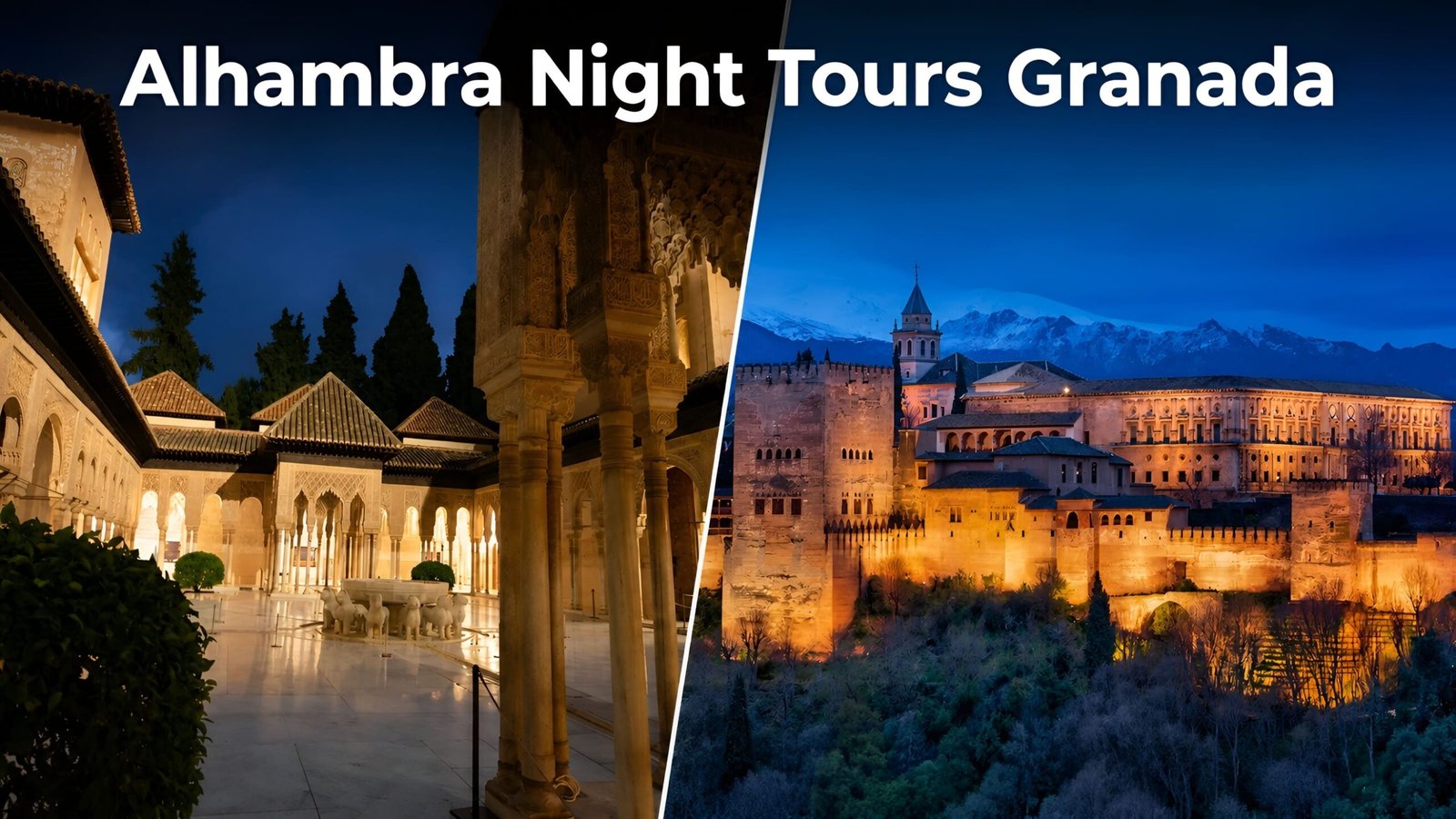
Alhambra Night Tours in Granada offer visitors a unique opportunity to explore the illuminated palaces and gardens after dark. The Alhambra attracts millions of visitors annually, making it one of Spain’s most visited historic landmarks. Night visits are especially popular because they provide a quieter atmosphere, stunning lighting effects, and a more intimate experience of the monument’s architecture and history.
Introduction
When the last daytime tour bus pulls away from the cobblestone streets of Granada, something extraordinary happens. The gates of the Alhambra reopen — but only for a chosen few. These are the visitors who planned months in advance, paid a premium price, and came specifically for the silence, the soft golden lighting, and the rare privilege of standing inside a 700-year-old Moorish palace without crowds pressing from every side.
Alhambra night tour attendance revenue has become one of the most fascinating topics in European heritage tourism. Despite attracting only 5 to 6 percent of the monument’s total annual visitors, night tours generate 20 to 22 percent of total ticket revenue. That ratio — fewer people, far more money — is not an accident. It is the result of a deliberate strategy built on scarcity, premium pricing, and world-class cultural exclusivity.
This complete guide explains exactly how night tour attendance works, how much revenue the Alhambra generates from evening visits, what ticket prices look like, and why this model has become a benchmark for sustainable heritage tourism worldwide.
What Is the Alhambra and Why Are Night Tours Special?
The Alhambra is a 13th-century palace and fortress complex located on a hill above Granada, in the Andalusia region of southern Spain. Built by Moorish rulers of the Nasrid dynasty, it is widely considered one of the finest examples of Islamic architecture in the world. In 1984, it was designated a UNESCO World Heritage Site, and today it consistently ranks as Spain’s most visited monument.
During daylight hours, the Alhambra receives thousands of visitors who explore its three main areas: the Nasrid Palaces, the Generalife gardens, and the Alcazaba fortress. The experience, though stunning, comes with crowds, heat, and the noise of mass tourism.
Night tours change everything. Under soft ambient lighting, with visitor numbers strictly capped and the air cooled by the Sierra Nevada breezes, the Alhambra transforms into a completely different place. The intricate Arabic calligraphy carved into the walls catches the light differently. The reflecting pools in the Nasrid Palaces mirror the illuminated ceilings above. The silence creates a sense of stepping back centuries in time.
The Alhambra’s night visits are officially managed by the Patronato de la Alhambra y Generalife, the governing body responsible for conservation, visitor management, and revenue allocation. This organization has consistently prioritized quality of experience over quantity of visitors — a philosophy that drives every decision related to night tour capacity and pricing.
Official Night Tour Schedule
Night visits to the Alhambra follow a strict seasonal schedule that limits when and how often evening access is available:
- October 15 to March 31: Night tours run on Fridays and Saturdays only
- April 1 to October 14: Night tours run Tuesday through Saturday
- Sunday and Monday: No night tours in any season
- Public holidays: Schedule may vary; always confirm with official booking
This schedule is intentional. By limiting night tours to specific days rather than operating every evening, the Patronato creates natural scarcity that keeps demand consistently high. Visitors know that if they miss their slot, the next available night tour could be days away — which motivates early booking and reduces cancellations.
Annual Attendance: How Many Visitors Come to Night Tours?
Understanding Alhambra night tour attendance requires understanding a fundamental principle: capacity is not set by demand. It is set by conservation requirements.
The Alhambra receives approximately 2.72 million total visitors per year across all its tours and zones. Night tours account for roughly 120,000 to 150,000 of those visitors annually — representing just 5 to 6 percent of the total visitor count.
Nightly Capacity Breakdown
Despite the relatively low share of total visitors, the nightly experience is carefully engineered:
| Season | Visitors Per Night | Group Size Limit | Avg Advance Booking |
|---|---|---|---|
| Peak Season (June–Aug) | 400–500 | 30 per group | 28 days in advance |
| Shoulder Season (Apr–May, Sep–Oct) | 300–400 | 30 per group | 10–15 days |
| Off-Season (Nov–Mar) | 200–300 | 30 per group | 3–7 days |
These numbers do not expand when demand increases. Even during peak summer months when tens of thousands of tourists are in Granada on any given weekend, the Alhambra does not add extra night tour slots. This rigidity is what makes the tickets valuable.
Approximately 73 percent of all night tour visitors come from outside Spain. International travelers — particularly from the United States, the United Kingdom, France, and Germany — plan their entire Granada trip around securing a night tour ticket. This demographic tends to spend more on hotels, restaurants, and local experiences, making them disproportionately valuable to Granada’s broader tourism economy.
Revenue Breakdown: The Real Numbers Behind Night Tours
The financial performance of Alhambra night tours is one of the most striking examples of premium pricing working in perfect harmony with conservation goals. Here is a complete breakdown of what the numbers look like:
| Metric | Figure |
|---|---|
| Annual Night Tour Visitors | 120,000 – 150,000 |
| Annual Night Tour Revenue | €8 million – €12 million |
| Share of Total Visitor Count | 5–6% |
| Share of Total Ticket Revenue | 20–22% |
| Peak Month Revenue (July) | ~€900,000 |
| Low Month Revenue (January) | ~€385,000 |
| Annual Operating Costs | ~€985,000 |
| Lighting Infrastructure Cost | ~€180,000/year |
| Conservation Allocation | ~30% of net revenue |
The most remarkable figure in this table is the revenue-to-visitor ratio. Night tours bring in 20 to 22 percent of total ticket revenue while representing only 5 to 6 percent of visitors. That means every night tour visitor generates roughly four times more revenue than the average daytime visitor.
Annual night tour operating costs total approximately €985,000, while gross revenue exceeds €8.4 million. That margin structure — paying less than €1 million to run a program generating over €8 million — is exceptional by any measure in the cultural tourism industry.
Night tours also carry lower per-visitor costs than daytime operations. Daytime management requires full staffing across all zones, continuous crowd management, and intensive cleaning cycles between large groups. Evening visits, with their smaller and more controlled attendance, strip out much of that overhead while maintaining the same ticket revenue per visitor.
Ticket Pricing Strategy: Why Scarcity Drives Revenue
The Alhambra’s night tour pricing is straightforward in structure but strategic in design. As of 2025, prices are positioned as premium relative to daytime access:
- Nasrid Palaces Night Visit: Starting from €12 per person (2025 pricing)
- Generalife Gardens Night Visit: Separately priced at a lower rate
- Guided Night Tour (with professional guide): €15–€20 additional per person
- Audio Guide Rental: ~€6 per device
- Private Group Night Tour: Premium pricing, typically 3–5x the standard rate
These prices sit above the standard daytime ticket cost. The justification is not just exclusivity — it is also the lighting infrastructure, smaller group management, and the administrative overhead of running a separate booking and security operation after hours.
What makes the pricing strategy most effective is what the Patronato did NOT do. When demand for night tours increased sharply over the past decade, they did not expand capacity to accommodate more visitors. They raised prices and kept slots fixed. This decision transformed the night tour from a supplement to the daytime visit into a premium product in its own right — one that visitors plan specifically for, book months in advance, and pay without hesitation.
Economic Impact Beyond the Ticket Window
Alhambra night tour attendance revenue does not stop at the monument’s gates. Its economic ripple effect extends across the entire city of Granada and contributes to a tourism ecosystem worth hundreds of millions of euros annually.
Impact on Granada’s Local Economy
| Economic Indicator | Estimated Figure |
|---|---|
| Alhambra’s total contribution to Granada’s economy | ~€490 million/year |
| Alhambra visitors who book city hotels annually | ~1.7 million |
| Dining revenue increase near Alhambra post-night tours | +20% in evening hours |
| Employment supported by night tour operations | Hundreds of guides, security, maintenance staff |
Local restaurants in the Albaicín neighborhood time their dinner service around the 10 PM end time of night tours. Visitors emerging from the Alhambra after a two-hour evening experience are hungry, emotionally engaged, and willing to spend. Taxi services, souvenir shops, flamenco venues, and evening entertainment businesses have all adapted their operations to capture this post-tour spending wave.
Night tours also directly encourage longer stays in Granada. A visitor who secures a night tour ticket cannot simply do a day trip to the city — they must stay overnight or arrive the previous day. This creates additional hotel bookings, restaurant meals, and local spending that would not have occurred without the night tour system.
Conservation: Where the Night Tour Money Goes
One of the most important — and least discussed — aspects of Alhambra night tour revenue is how it is reinvested into the monument itself. Approximately 30 percent of net revenue from night tours is allocated directly to preservation and restoration projects.
This matters because the Alhambra is not a museum exhibit behind glass. It is a living architectural environment that visitors walk through, breathe in, and touch. The 800-year-old plasterwork, carved wooden ceilings, tile mosaics, and water systems require constant expert attention to survive the pressure of millions of annual visitors.
A notable example of this reinvestment is the 2023 renovation of the Hall of the Two Sisters inside the Nasrid Palaces — one of the most ornate rooms in the complex, famous for its intricate honeycomb dome ceiling. This project was partially funded by revenue generated from premium ticket sales, including night tours.
Night tours also directly reduce conservation pressure compared to daytime operations. Fewer people in the space means less vibration from footsteps, less humidity from breath, less accidental contact with surfaces, and less demand for climate control systems that stress historic materials. The conservation benefit of limiting night attendance is not a side effect — it is part of the design.
What to Expect: The Night Tour Visitor Experience
For anyone planning to attend, understanding what the night tour actually includes helps set expectations and ensures you get the most from the experience.
What Is Open at Night
Night tours primarily focus on the Nasrid Palaces — the jewel of the Alhambra complex and the section most visitors come to see. The Generalife gardens may be included depending on the tour type and season. The Alcazaba fortress is not part of the standard night tour experience.
Atmosphere and Timing
- Evening temperatures in Granada are cooler than daytime, especially from May to September — a significant advantage for comfort
- Lighting is designed to highlight architectural details invisible in daylight
- Crowds are dramatically smaller than daytime visits, creating an intimate atmosphere
- Tours typically last 90 minutes to 2 hours
- Peak summer tours end around 10–10:30 PM; winter tours may end earlier
Photography
Night photography at the Alhambra is a major draw for enthusiasts. The long-exposure opportunities created by the soft artificial lighting and the reflection pools produce images impossible to achieve during the day. Tripods may be permitted depending on current rules — always check before visiting.
How to Book Alhambra Night Tour Tickets
Booking correctly is critical — missing a night tour ticket after traveling to Granada is a common and avoidable disappointment.
Official Booking Channel
The primary official booking source is the Patronato de la Alhambra y Generalife’s website at alhambra-patronato.es. This is the safest, most reliable way to secure tickets at face value without third-party markups.
Booking Timeline Recommendations
- Peak season (June–August): Book 4 to 6 weeks in advance minimum
- Shoulder season (April–May, September–October): Book 2 to 3 weeks in advance
- Off-season (November–March): 1 to 2 weeks advance booking usually sufficient
Common Booking Mistakes to Avoid
- Waiting until arrival in Granada — night tour slots frequently sell out weeks ahead
- Purchasing from unauthorized resellers at inflated prices
- Confusing the night tour with the daytime Nasrid Palace entry (separate tickets required)
- Not checking seasonal schedule — night tours do not operate every day of the week
- Forgetting to bring ID that matches the booking name
Frequently Asked Questions
Q: How much revenue do Alhambra night tours generate annually?
Annual night tour revenue is estimated between €8 million and €12 million, representing 20 to 22 percent of the Alhambra’s total ticket income. This is generated by just 5 to 6 percent of total annual visitors — making it the most revenue-efficient segment of the monument’s operations.
Q: How many people attend Alhambra night tours each year?
Approximately 120,000 to 150,000 visitors attend Alhambra night tours annually. On any given night, capacity ranges from 200 to 300 visitors in the off-season up to 400 to 500 during peak summer months. Groups are limited to 30 people per guided session.
Q: Why do Alhambra night tours cost more than daytime visits?
Night tours operate with dedicated lighting infrastructure, smaller group sizes, specialized evening staffing, and a premium experience designed for exclusivity. The Patronato also deliberately prices night tickets at a premium to manage demand and protect the monument — high prices keep attendance controlled without needing to expand capacity.
Q: When should I book Alhambra night tour tickets?
For peak summer months (June through August), booking 4 to 6 weeks in advance is strongly recommended. Tickets for July and August frequently sell out 28 or more days in advance. For spring and autumn visits, 2 to 3 weeks ahead is typically sufficient. Off-season visits in winter can usually be booked 1 to 2 weeks in advance.
Q: Which sections of the Alhambra are open at night?
Night tours primarily cover the Nasrid Palaces, which are the most architecturally significant and visually dramatic sections of the complex. Depending on the tour type and season, the Generalife gardens may also be accessible. The Alcazaba fortress is not included in standard night tour access.
Q: How does night tour revenue support conservation?
Approximately 30 percent of net revenue from night tours is reinvested into preservation and restoration of the Alhambra. This funding has supported major projects including the 2023 renovation of the Hall of the Two Sisters. Beyond financial support, the low-attendance night tour model itself reduces physical wear on 800-year-old surfaces and materials.
Conclusion
The Alhambra night tour attendance revenue model is one of the most elegant examples of how cultural heritage sites can balance preservation, visitor experience, and financial sustainability. By deliberately limiting attendance, pricing for exclusivity, and reinvesting revenue into conservation, the Patronato de la Alhambra y Generalife has created a program that generates more than €8 million annually from a fraction of its visitors.
For visitors, this means that securing a night tour ticket is not just about seeing a beautiful monument — it is about participating in a carefully protected experience that funds the survival of that monument for future generations. The scarcity is not a frustration to overcome. It is the feature that makes the experience worth having.
Whether you are a tourism professional studying revenue models, a researcher exploring heritage economics, or a traveler planning your first visit to Granada, understanding the numbers behind Alhambra night tours gives you a deeper appreciation of what makes this one of Europe’s most remarkable cultural destinations.
Related Articles
